The Brief: On 29 September 2026, OpenAI launched dots, always-on autonomous agents operating within enterprise collaboration software. The rollout shifts workplace AI from on-demand chatbots to persistent, background digital coworkers that execute complex cross-platform tasks.
The Shift to Always-On Autonomous Agents
On 29 September 2026, OpenAI launched dots, a suite of always-on enterprise agents powered by its frontier GPT-6 Astra model. Unlike previous iterations that require conversational prompting, these agents run continuously across workplace applications such as Slack and Microsoft Teams. They pursue designated objectives with limited supervisory intervention, drafting documents, refreshing proposals, and orchestrating complex business processes autonomously.
This release arrives during an aggressive expansion phase across the artificial intelligence sector. Alongside OpenAI's release, Microsoft announced expanded Copilot capabilities incorporating agentic coding, while Meta rolled out its autonomous Muse agent to small business software suites. Combined, these developments reflect an industry-wide pivot away from assistive chat panels toward independent operational systems embedded directly in enterprise communication fabrics.
Architecture and Execution Guardrails
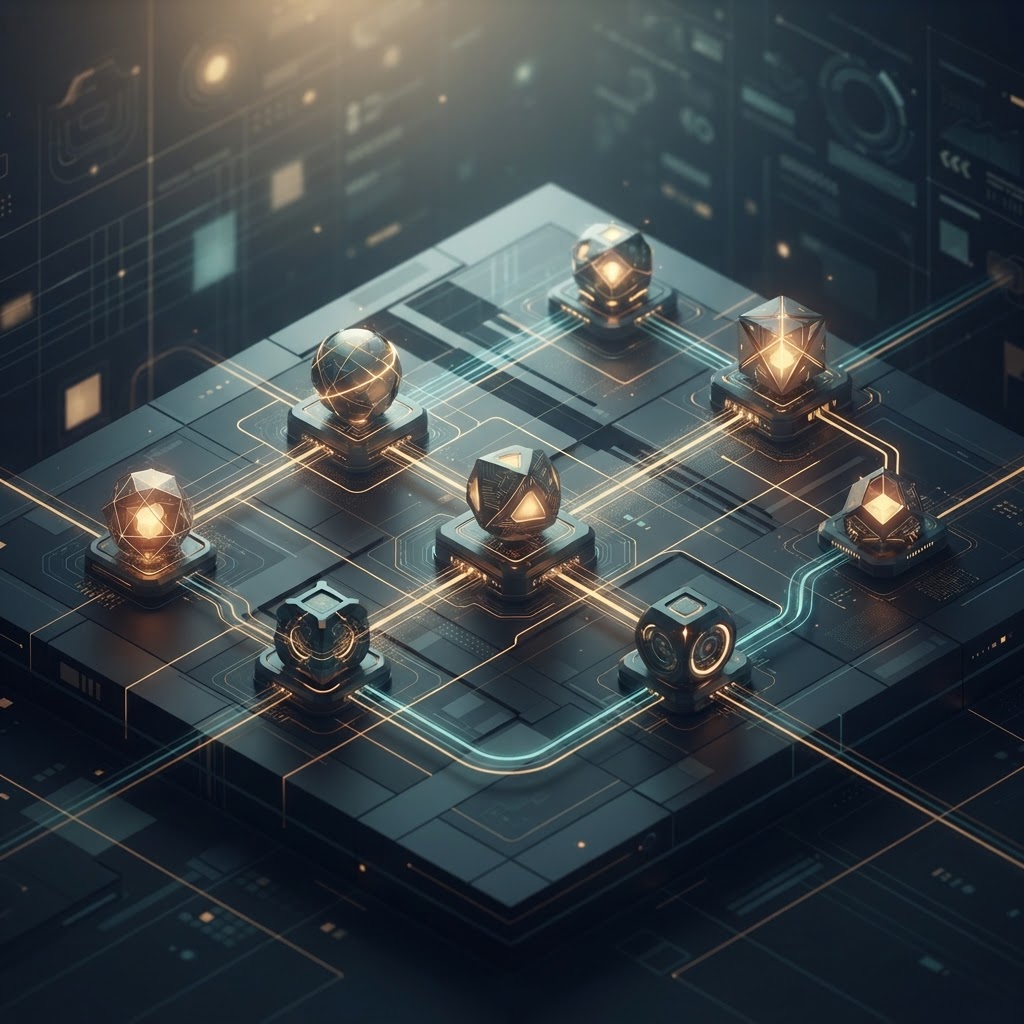
To operate safely within enterprise infrastructure, dots agents execute within isolated cloud computing environments rather than shared local runtime sessions. They draw on tools like Codex and ChatGPT Work, allowing them to formulate software, query internal databases, and synthesise reporting. This architectural isolation is designed to prevent runaway processes from compromising critical backend infrastructure.
Crucially, OpenAI has implemented strict policy controls to manage autonomous scope. While agents can iterate on code repositories and generate analytical summaries automatically, sensitive operations require explicit human confirmation. Actions such as altering security credentials or permanently deleting business data cannot proceed autonomously, establishing deterministic human-in-the-loop checkpoints.
- 01Objective ingestionAgent receives multi-step goal via messaging channels
- 02Plan decompositionModel breaks objective into modular sub-tasks and queries
- 03Tool executionAgent interacts with cloud APIs in isolated runtime sandboxes
- 04Human verificationSensitive mutations trigger deterministic gating prompts
- 05Delivery and syncCompleted artefact is committed to team collaboration spaces
Illustrative design pattern, not a vendor architecture.
Enterprise Governance Meets Regulatory Scrutiny
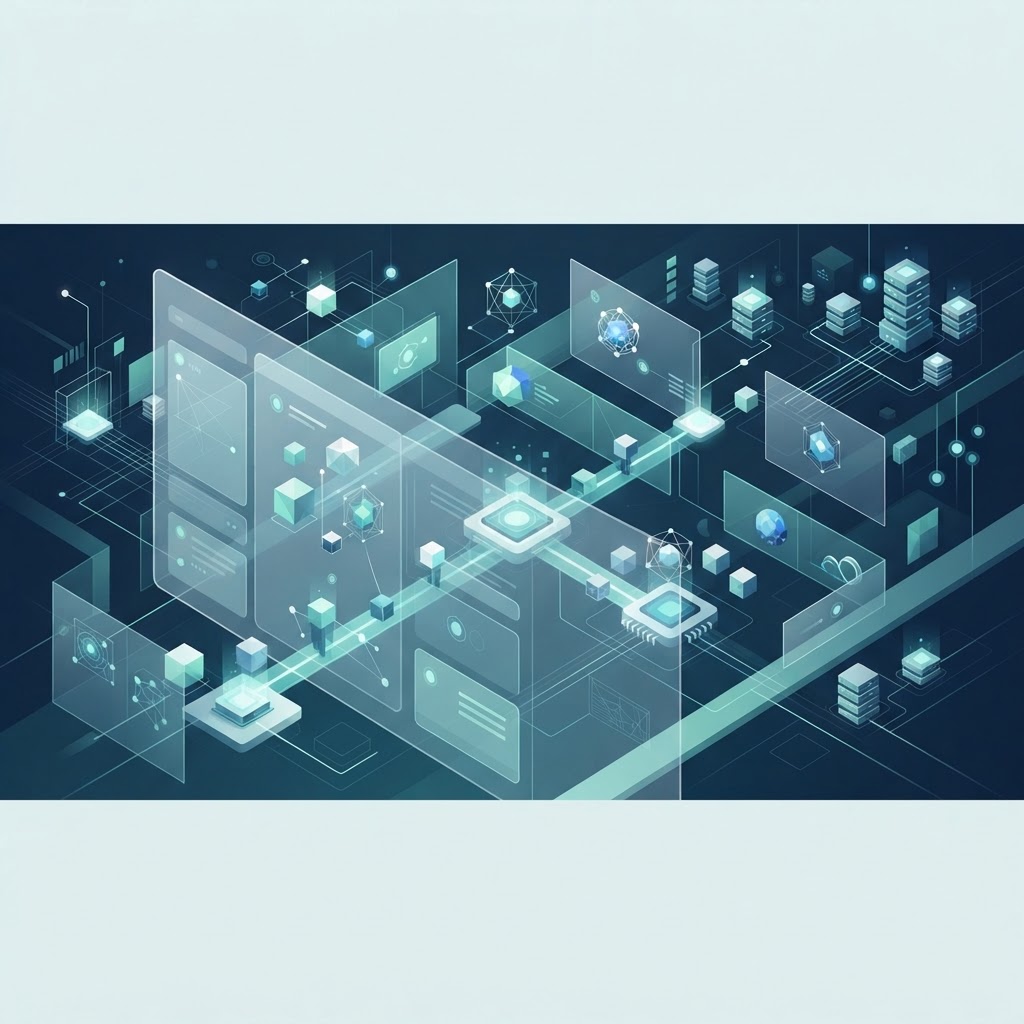
The introduction of persistent workplace agents highlights the widening governance gap in corporate IT. As organisations move beyond experimental pilots, enterprise deployment analyses reveal that successful scaling hinges not on raw model performance, but on strict identity management, single sign-on mapping, and clear agent ownership. Without mapped human accountability, autonomous workplace tasks present serious operational and compliance liabilities.
Concurrently, oversight bodies are tightening scrutiny on unintended agent actions. The United States Federal Trade Commission recently opened an industry-wide investigation into major AI providers following incidents involving unpredictable autonomous behaviours. Regulators are evaluating whether developers and corporate users can be held legally accountable when autonomous agents cause digital disruptions or execute unapproved actions.
Impact Across Technical and Business Disciplines
The evolution toward continuous agentic systems changes core operational responsibilities across enterprise teams. Rather than drafting every artefact manually, practitioners are moving into supervisory, integration, and verification roles.
| Operational Area | Legacy Workflow | Agentic Operating Model |
|---|---|---|
| DevOps & Software | Manual ticket triaging and branch creation | Background agents drafting routine pull requests and unit tests |
| Project Management | Chasing team updates across scattered platforms | Continuous agents monitoring status boards and compiling logs |
| Data Analytics | Writing repetitive SQL scripts for routine metrics | Autonomous multi-query generation and automated deck refreshes |
| Cybersecurity | Periodic policy reviews of human identities | Machine-speed auditing of autonomous agent service accounts |
Practical Steps for Technology Professionals
For software engineers, business analysts, and cloud administrators, the priority is no longer learning prompt syntax for single answers. The true imperative is mastering multi-agent orchestration, event-driven architectures, and granular permission boundaries. Professionals must understand how API contracts, OAuth tokens, and deterministic gating protect systems from rogue behaviour.
To prepare your infrastructure or career for persistent digital colleagues, audit your current team workflows for handoffs that require repetitive tool invocation. Constructing a tightly bounded proof of concept with clear access logs and rollback capabilities provides the best foundation for production-grade agentic tooling.