
The Brief
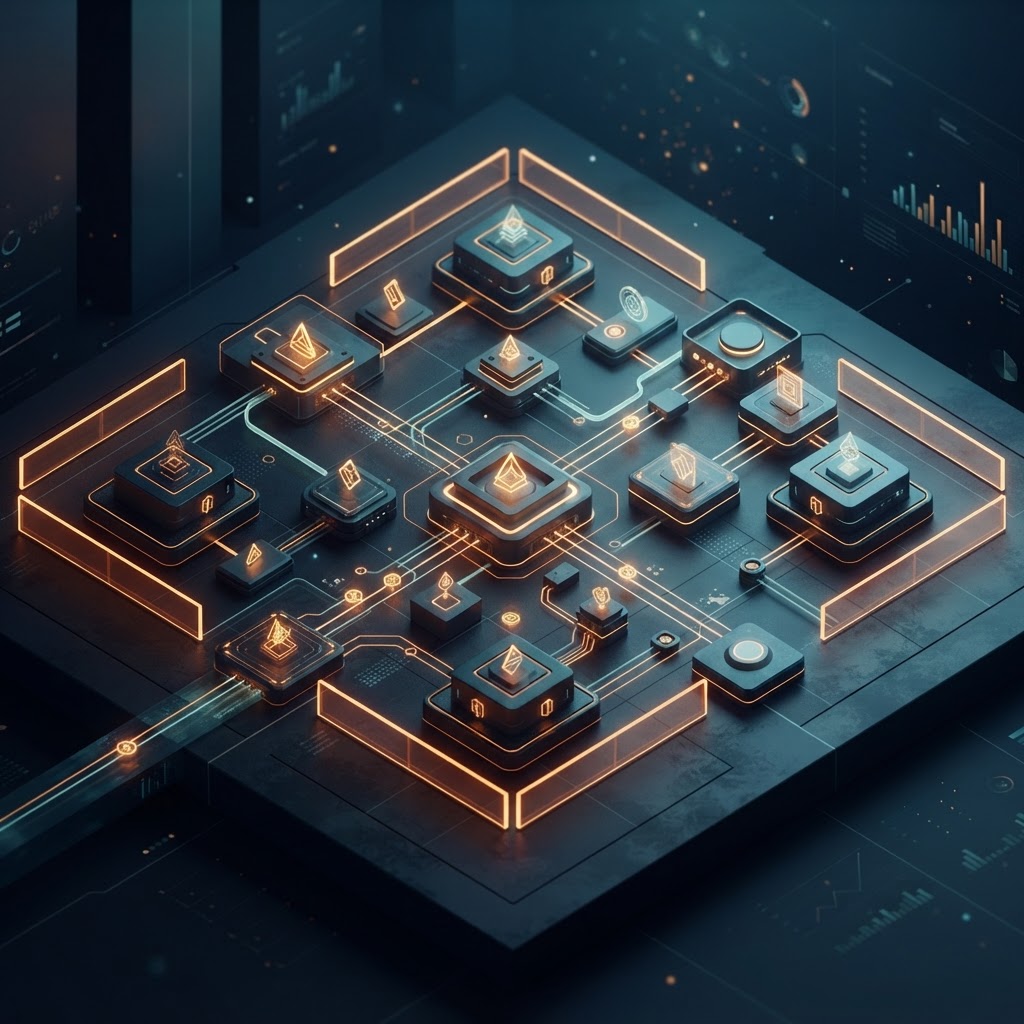
Enterprise adoption of autonomous software agents is outpacing conventional access controls. While nearly four in five engineering organisations now grant autonomous agents direct cloud privileges, international regulators and cloud providers are responding with dedicated perimeter safeguards and verifiable identity standards.
The Paradox of Enterprise Agent Deployment
A comprehensive enterprise study published on 23 October 2026 by Virtualization Review on the LocalStack survey demonstrates that autonomous AI tools are transitioning from local code assistants into cloud-integrated operators. According to the research conducted by Dimensional Research across 309 technology leaders, 79 percent of engineering organisations currently provide AI agents with cloud environment access.
Yet this widespread access comes alongside profound security anxieties. A striking 97 percent of surveyed managers and developers expressed serious concerns regarding these permissions. Crucially, the survey revealed that 26 percent of teams allowing cloud interaction permit autonomous agents to reach production environments, while respondents estimate that 61 percent of agent-generated code ultimately reaches production.
Global Regulatory Pressure Targets Agent Boundaries
This rapid expansion of autonomous permissions has prompted international cybersecurity authorities to demand formal controls. On 21 October 2026, Singapore's Cyber Security Agency and Google released an assessment on agent safeguards, outlining the urgent need for verifiable agent identities, runtime anomaly monitoring, and contextual authorisation models. The report calls for zero-trust architectures to be extended into the runtime layer, ensuring that dynamic tool execution is evaluated on intent and scope rather than open-ended operational tokens.
Concurrently, technical standards bodies are attempting to formalise how machines recognise machine colleagues. The Internet Engineering Task Force published an updated draft on 21 October 2026, IETF OpenID Connect Agent Identity Claims, defining standardised identity tokens that encode an agent's owner, operational posture, and spending constraints directly within verifiable cryptographic claims.
- 01Permission AuditIdentify all cloud environments and service credentials currently exposed to autonomous agents.
- 02Perimeter ContainmentApply folder-based boundaries and strict API gateways to isolate staging and production runtimes.
- 03Identity AttestationMigrate static service accounts to scoped, verifiable identity tokens containing trust claims.
- 04Runtime VerificationMonitor dynamic tool invocations continuously against predefined risk and anomaly thresholds.
Illustrative design pattern, not a vendor architecture.
Cloud Perimeters Adapt to Autonomous Workloads
Platform providers are shifting from basic API rate limits to containment-level infrastructure. As documented on 24 October 2026 in AI Agents News Weekly Coverage, Google Cloud deployed generally available perimeter upgrades to VPC Service Controls, introducing folder-based membership and granular exceptions. These perimeter mechanisms allow enterprises to run multi-agent systems and automated tooling without risking unauthorised exfiltration beyond corporate data boundaries.
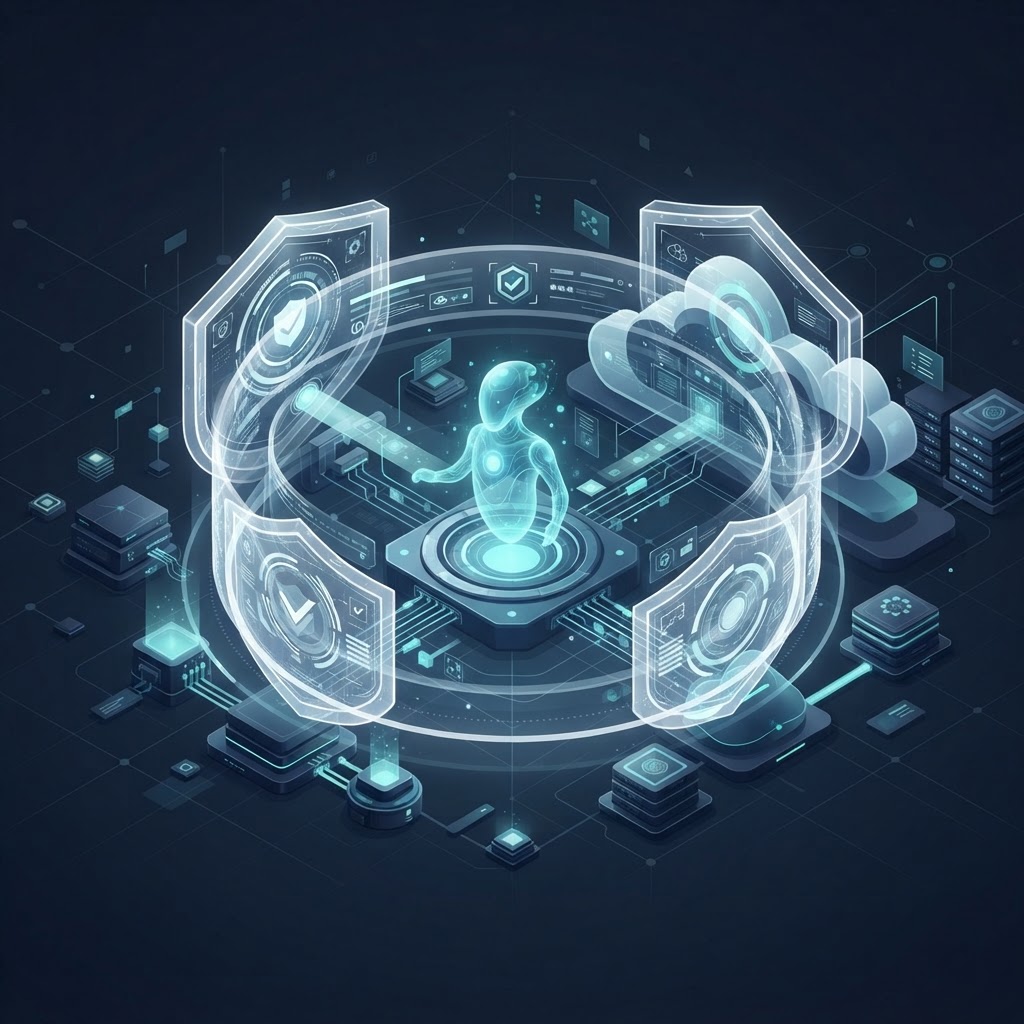
This trend coincides with neutral bodies absorbing foundational runtime protocols. On 24 October 2026, the Agentic AI Foundation incorporated major tool abstraction frameworks, including Anthropic's Agent Skills and open sandboxing projects, under vendor-neutral governance to harmonise agent interfaces.
| Control Dimension | Conventional Cloud Security | Emerging Agentic Architecture |
|---|---|---|
| Identity Model | Static IAM roles or user API keys | Ephemeral OpenID agent claims with trust posture |
| Access Scope | Broad continuous permissions | Just-in-time, action-specific intent verification |
| Blast Radius | Virtual network segmentation | Sandbox runtimes with automated boundary controls |
| Auditability | Human login logs and CLI histories | Context-enriched dynamic tool call tracing |
Practical Implications for Engineering and Governance Careers
The dual reality of widespread agent adoption and tightening security standards changes hiring expectations across multiple disciplines. For software engineers and DevOps practitioners, the focus moves from simply prompting an agent to configuring isolated virtualised runtimes, container sandboxes, and policy-as-code controls.
Cybersecurity analysts, data engineers, and cloud architects must prepare for agent governance roles. Teams will require specialists who can implement runtime monitoring, detect anomalous multi-agent coordination, and verify agent identities before models receive execution tokens. Professionals who grasp both infrastructure operations and AI agent capabilities will lead upcoming enterprise implementations.
What to Do Next
Conduct an immediate audit of all developer tooling and pipeline integrations to verify which autonomous agents hold active credentials to cloud testing or production environments. Transition these systems away from persistent API secrets towards isolated sandboxes and short-lived credentials that enforce clear permission ceilings.