

The Brief: On 28 October 2026, Akamai launched beta releases of Akamai Inference and Akamai Agent Sandbox, delivering managed model serving and isolated runtime environments to contain autonomous agent workflows.
Edge Isolation for Autonomous Code Execution
On 28 October 2026, Akamai entered the agent infrastructure market by unveiling two beta products: Akamai Inference and Akamai Agent Sandbox. The release targets a critical operational failure point in autonomous systems: the risks associated with executing agent-generated scripts and complex reasoning steps directly within shared enterprise environments.
While first-generation autonomous implementations ran code execution within local developer sandboxes or standard server containers, multi-step agents frequently trigger long-context compute routines and dynamic shell commands. By decoupling the execution boundary from core infrastructure, the platform establishes dedicated isolation layers for non-deterministic model actions without compromising enterprise networks.
Containing Multi-Step Reasoning at the Network Edge
Modern agentic workflows rarely stop at generating text or code proposals. Autonomous agents regularly plan complex itineraries, retrieve external API responses, interpret system telemetry, and immediately execute scripts to validate output before passing results downstream.
Research presented at the VentureBeat Agentic Infrastructure Stack Summit revealed that multi-agent systems fail to reach consensus in 41% to 87% of runs, even when individual units perform tasks correctly. Uncontrolled failures in execution loops create operational deadlocks and introduce severe lateral security vulnerabilities.
- 01Task dispatchSystem plans multi-step logic and routes instructions to specialised agents
- 02Isolated executionGenerated scripts run inside dedicated micro-sandboxes at the edge
- 03Safety validationAutomated monitors verify runtime behaviour and block unauthorised network calls
- 04Shared reconciliationVerified results feed back into orchestration planes to update context
Illustrative design pattern, not a vendor architecture.
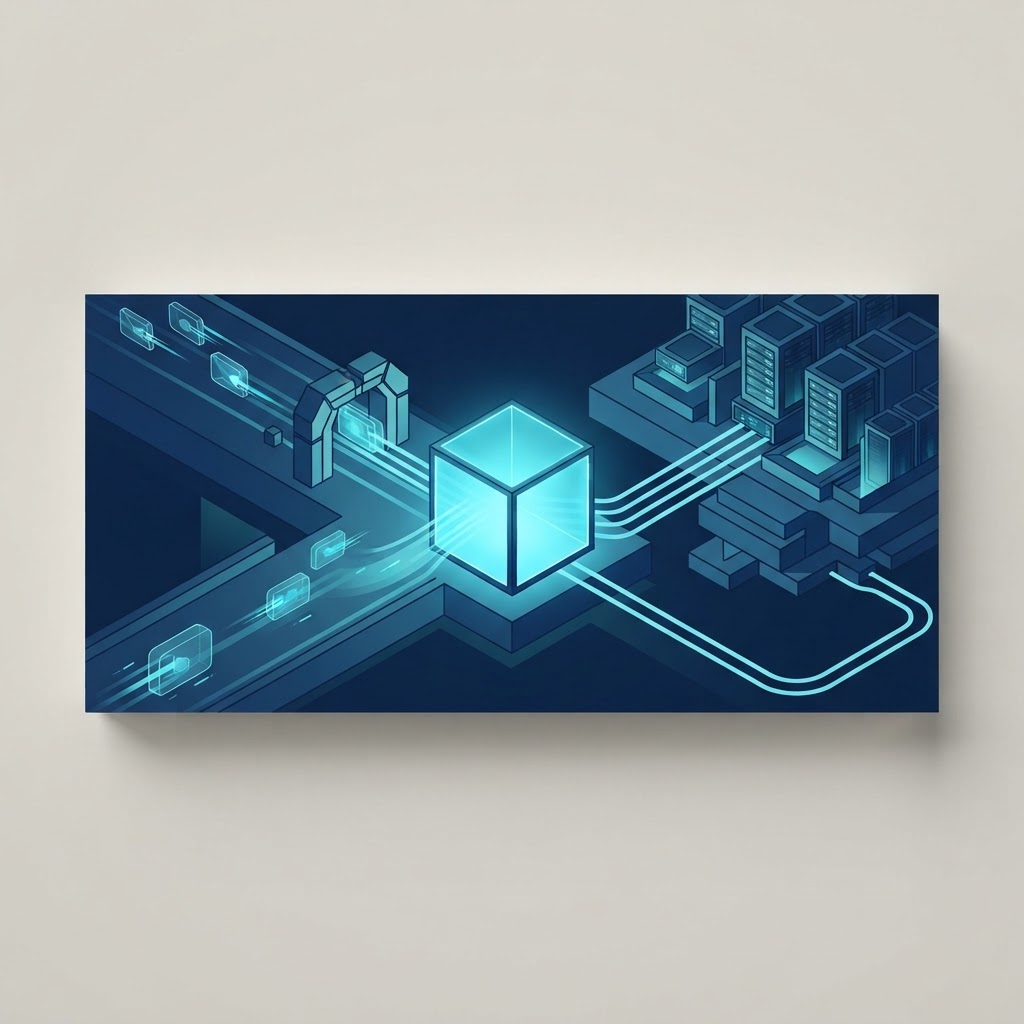
By deploying micro-sandboxes alongside a managed inference layer, teams can run multi-step code validation without granting elevated network privileges. This operational boundary allows systems to fail safely in isolation when circular reasoning or invalid syntax occurs.
Governance Across Fragmented Agent Frameworks
Akamai's architectural announcement arrives amid industry-wide pressure to standardise agent management across disparate cloud providers and execution frameworks. Organisations increasingly deploy disparate models across Copilot Studio, Amazon Bedrock AgentCore, and open-source stacks without a unified perimeter, prompting vendors like ModelOp to expand centralised lifecycle governance.
When execution sandboxes are managed directly at the edge layer, enterprise platform teams retain full visibility over credential handling and process timeouts. The infrastructure layer enforces constraints before autonomous actions interact with internal data stores, preventing privilege escalation from compromised or hallucinated agent routines.
The Shift Toward Dedicated Agentic Runtimes
Traditional container orchestration prioritises predictable web services, static load boundaries, and stateless requests. In contrast, agentic workloads require long-running contextual memory, unpredictable tool invocation cycles, and variable inference latency.
| Runtime Model | Compute Environment | Primary Isolation Focus | Risk Vector Addressed |
|---|---|---|---|
| Traditional Containers | Centralised Kubernetes pods | Process separation | Resource oversubscription |
| Agent Micro-Sandboxes | Edge-level ephemeral runtimes | Ephemeral process sandboxing | Arbitrary autonomous script execution |
| Local Frameworks | Local developer machine | Host operating system controls | Unvetted lateral network traversal |
Managed sandboxes provide a practical middle ground between local developer tools and heavyweight internal cloud clusters. Platform engineers can enforce deterministic guardrails over non-deterministic systems, ensuring that runaway reasoning loops terminate before incurring runaway costs.
Impact on Tech Roles and Future Workflows
This shift alters core competencies across cloud computing, cybersecurity, and software engineering. Platform teams must look beyond simple API latency to govern ephemeral container lifecycles, outbound network policies, and identity handoffs for autonomous identities.
For security analysts and DevSecOps practitioners, managing autonomous agent identities requires moving from static role-based access control to transient, time-bound execution credentials. Software engineers deploying multi-agent architectures must build workflows capable of gracefully handling execution failures inside sandboxed runtimes.
To prepare for this operational model, teams should audit their current automated agent pipelines and isolate all dynamic code evaluation steps into throwaway, network-restricted container environments.